February 2023 Reading List
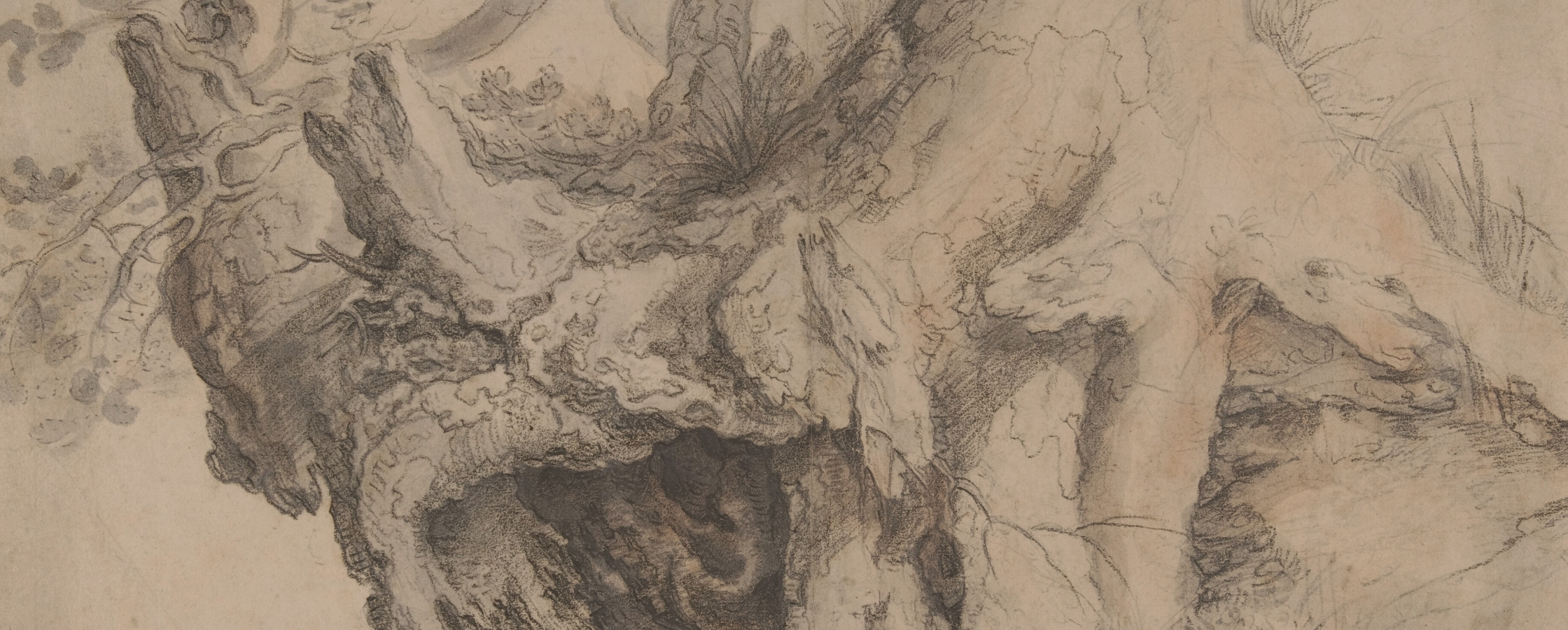
Roelandt Savery. Study of a Tree, ca. 1606–7. The Metropolitan Museum of Art
THIS HERE FLESH BY COLE ARTHUR RILEY
In her stunning debut, the creator of Black Liturgies weaves stories from three generations of her family alongside contemplative reflections to discover the "necessary rituals" that connect us with our belonging, dignity, and liberation.
So writes Cole Arthur Riley in her unforgettable book of stories and reflections on discovering the sacred in her skin. In these deeply transporting pages, Arthur Riley reflects on the stories of her grandmother and father, and how they revealed to her an embodied, dignity-affirming spirituality, not only in what they believed but in the act of living itself. Writing memorably of her own childhood and coming to self, Arthur Riley boldly explores some of the most urgent questions of life and faith: How can spirituality not silence the body, but instead allow it to come alive? How do we honor, lament, and heal from the stories we inherit? How can we find peace in a world overtaken with dislocation, noise, and unrest? In this indelible work of contemplative storytelling, Arthur Riley invites us to descend into our own stories, examine our capacity to rest, wonder, joy, rage, and repair, and find that our humanity is not an enemy to faith but evidence of it.
After only a few chapters into This Here Flesh by Cole Arthur Riley the book grabbed my attention. I wanted to read the entire book in one sitting and I also wanted to take my time and let Riley’s words flow gently and slowly and allow space and time for her words to permeate my consciousness. Her ideas and personal recollections exposed areas of my own trials, but also provided an antidote, like golden honey, as a source for healing. Although our history is different, our adventures are different and our lives are different, I felt so much connection to her words and what they mean for me with my own history.

Unidentified Artist. Untitled (Alpine peak), 1880s. Harvard Art Museums
THE HOBBIT BY J.R.R. TOLKIEN
Written for J.R.R. Tolkien’s own children, The Hobbit met with instant critical acclaim when it was first published in 1937. Now recognized as a timeless classic, this introduction to The Hobbit, Bilbo Baggins, the wizard Gandalf, Gollum, and the spectacular world of Middle-earth recounts the adventures of a reluctant hero, a powerful and dangerous ring, and the cruel dragon Smaug the Magnificent. —Goodreads
I wanted to reread The Hobbit both for my own amusement and to see if my 8-year-old son was old enough to add it to his book collection. No surprise, but again enjoyed this read and being transported into another world. It is interesting that a world with hobbits, dwarves, orcs, and dragons seemed more real and possible than the book I read earlier about magic in different Londons in the time of King George III. If that book was a flash to the imagination, then Tolkien’s writing is a cozy, deep, rich read that carries the reader into Middle-Earth and makes one feel as if one is traveling with the characters.
The more I learn about what came into play for authors and their writing, the more I understand the process and appreciate the vulnerability of great writers. I am a fan of C.S. Lewis's writing, and when I read about his influence on The Hobbit and Tolkien's other works, I came to understand even more how the story took shape and was eventually published.
My son has told me he is not ready to read The Hobbit or Harry Potter. He is a confident kid, and if he tells me he is not ready, then I have to trust his instinct. Even so, I look forward to sharing this world with him and exploring other classics as he gets older. For now, I enjoyed rereading a classic, which brought back fond memories of my youth.
*What I learned from reading this classic again was the enjoyment of descriptive writing. The first pages nestled me deep within a hobbit hole, and I fully emerged in the world going forward. I also liked the pacing of this book and the solid connective links between scenes.